Fire Damage Restoration in Southlake, TX
From the first soot-covered room to the last coat of paint, get fire damage restoration in Southlake handled by an experienced local crew that treats your home like it matters.
- Southlake & nearby
- Fire & smoke damage
- Assess, price, restore
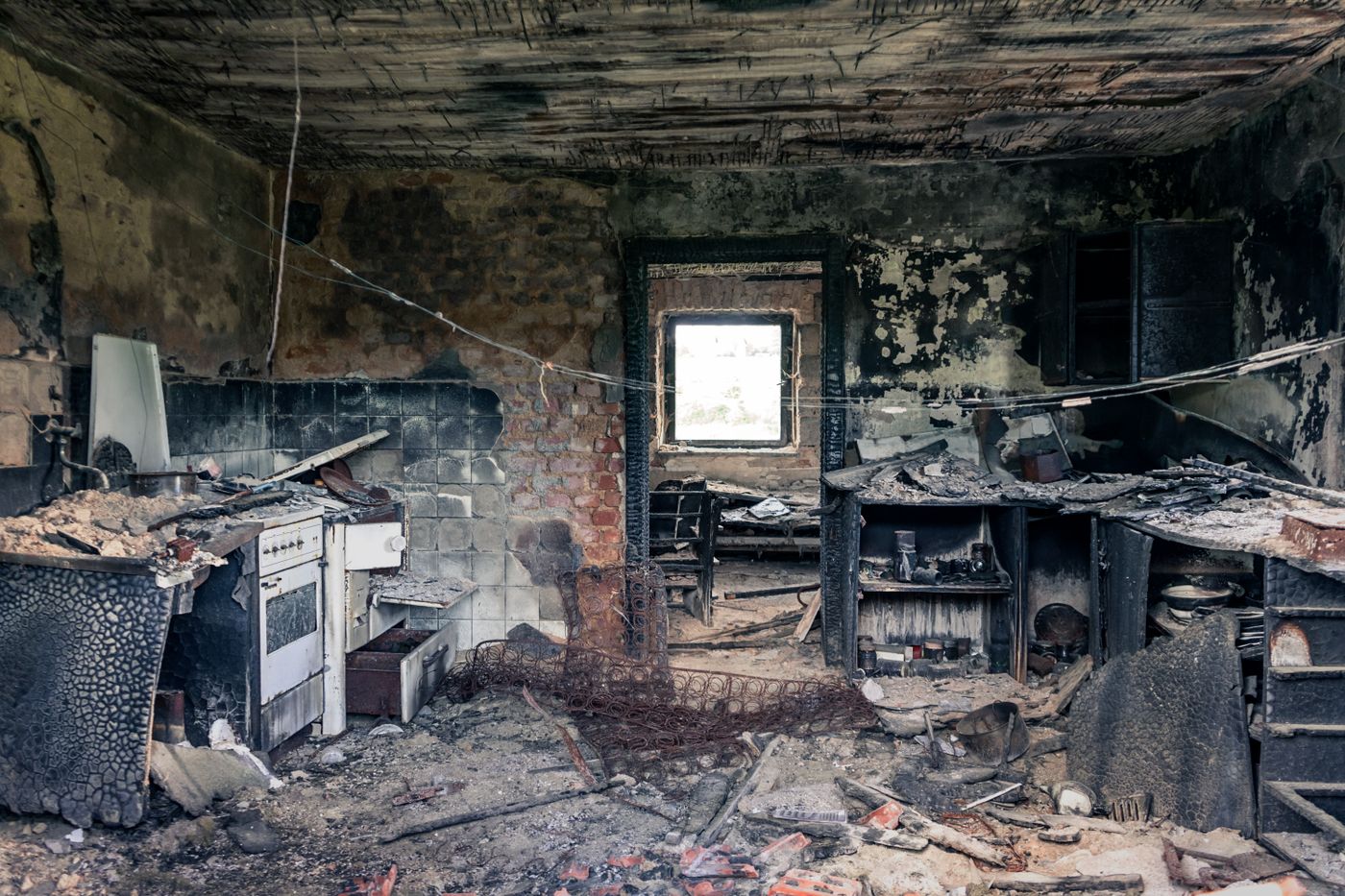
A house fire in Southlake leaves behind far more than the charred spot where it started. Fire damage restoration is the work of undoing everything the fire, the smoke, and the water used to put it out left behind, and in a large custom home off FM 1709 (Southlake Blvd) or up near Timarron, that can mean soot in rooms the flames never reached. Call and describe what happened, and a local fire damage restoration crew can get to your property fast, secure it, and start mapping the real extent of the loss.
The homes here make that mapping matter. Southlake's estate-sized, multi-story houses run big, complex HVAC systems that pull smoke and soot through ductwork and deposit it two floors away from a kitchen fire. Doing this right means treating the whole house as one connected system, not just the burned room. That is the difference between a home that smells clean in six weeks and one that keeps reminding you of the fire every humid North Texas afternoon.
What to do first after a fire in Southlake
The hours right after a fire set the tone for the whole restoration. Wait until the Southlake fire department or officials declare the structure safe, then keep your movements to a minimum so soot is not ground deeper into carpet, upholstery, and hard floors. Soot is acidic and oily, and the longer it sits, the more permanently it etches into surfaces, so time genuinely works against you here. Read our full guide on what to do after a fire before you touch anything.
Photograph the damage from a safe distance for your records, then get an honest assessment of what happened. Resist the urge to start wiping walls or shampooing carpet yourself, because the wrong product on soot sets the stain for good and can turn a cleanable wall into one that has to be replaced.
- Wait for the all-clear. Do not re-enter until officials confirm the structure and wiring are safe.
- Leave the soot alone. Wiping, washing, or vacuuming the wrong way drives soot in and locks stains permanently.
- Kill the HVAC. Shut the system off so it stops pulling smoke and soot into untouched rooms and ducts.
- Document everything. Take photos and start a room-by-room list before anything is moved or thrown out.
- Call early. The sooner a local crew secures and assesses the home, the more can be saved. Call 000-000-0000.
The fire damage restoration process, start to finish
Every fire is different, but the sequence that brings a home back is consistent. It starts with securing the property, because an open roof or blown-out window in a spring storm turns a fire loss into a fire-and-water loss overnight. From there the work moves through drying, cleaning, deodorizing, and finally rebuilding, with each step checked before the next begins.
A big part of the job is deciding what is structural and what is contents. Structural work addresses the walls, ceilings, framing, and built-ins, while contents covers your belongings. Understanding that structural vs contents split early keeps the project organized and keeps your insurance claim clean, since the two are usually documented and handled differently.
- Secure the property. Board-up and roof tarp close the home against weather, animals, and intrusion.
- Remove the water. Firefighting water is extracted and the structure dried before mold can start.
- Clean the soot. Every surface gets the method it needs, from dry sponging to specialized soot cleanup.
- Neutralize odor. Smoke smell is treated at the source with air scrubbers and fogging, not masked.
- Rebuild. Drywall, paint, flooring, and full reconstruction return the home to pre-fire condition.
Kitchen, electrical, and fireplace fires
Most Southlake fires trace back to a handful of causes, and each leaves a different fingerprint. A kitchen fire or grease fire throws a greasy, protein-based residue that is nearly invisible but clings to cabinets and smells whenever the room warms up. An electrical fire inside a wall or the attic can char framing and insulation while leaving the living space looking almost untouched, which is exactly why professional assessment matters.
Fireplace and chimney fires, plus the outdoor-kitchen setups common on Southlake patios, add their own soot patterns, and North Texas lightning during spring storms is a real ignition source for attic and roof fires. Whatever started it, the restoration approach is matched to the type of fire and the residue it produced.
How long does fire damage restoration take, and what does it cost?
The honest answer is that it depends on the size of the fire and how far the smoke traveled. A contained kitchen fire with smoke through part of the house might be cleaned and deodorized in one to two weeks, while a large fire that reached the framing and needs reconstruction can run a couple of months. You will get a clearer timeline once the home is assessed and the structural versus contents scope is settled.
Cost works the same way. Rather than a number pulled out of the air, you get upfront pricing tied to the actual damage, the square footage affected, and how much rebuilding is involved. Most fire losses are covered by homeowners insurance, and a local crew that handles fire damage can document the work in the detail your insurance claim needs so the two move together instead of fighting each other.
Why Southlake homeowners call for fire damage restoration
Fire restoration is not a job to hand to whoever answers first from three counties away. It rewards people who know these houses, understand how soot moves through a big two-story HVAC system, and can talk to your adjuster in the same language. Working with an experienced local fire and smoke restoration pro means the person assessing your Southlake home has seen this before and knows what actually saves a home versus what just looks busy.
Southlake spans Tarrant County with a sliver in Denton County, and a local crew covers the whole area and the towns around it, from Colleyville to Keller. You get straight answers, no-surprise pricing, and a plan that fits your home instead of a script. Call 000-000-0000 to describe the damage and get moving.
Talk to a Local Restoration Crew
Describe the fire and the damage and get straight answers with upfront pricing. No obligation, and no pressure to do more than the property needs.
Call 000-000-0000More Southlake Restoration Services

Fire Damage Restoration FAQ
How soon should restoration start after a fire?
As soon as the structure is declared safe. Soot becomes more corrosive and harder to remove the longer it sits, and an unsecured home is exposed to weather and further loss. Getting a crew out quickly to secure and assess the property protects what can still be saved. Call 000-000-0000.
Will my homeowners insurance cover fire damage restoration?
Most fire losses are covered under a standard homeowners policy, though your specific coverage and deductible determine the details. A local crew documents the damage and the work thoroughly so it lines up with what your insurance claim requires. Always confirm the specifics with your own carrier.
Can you really get the smoke smell out completely?
Yes, when odor is treated at the source rather than covered up. That means cleaning the soot residue causing the smell, treating the HVAC system, and using air scrubbers and fogging to neutralize what is left. Persistent smoke smell usually means a source was missed, which is why thorough cleanup comes first.
What is the difference between structural and contents restoration?
Structural restoration covers the building itself, such as walls, ceilings, framing, and flooring. Contents restoration covers your belongings, which are often cleaned through pack-out at an off-site facility. The two are documented separately, and keeping them organized keeps both the project and your claim clean.
Do I have to move out during restoration?
It depends on the extent of the damage and which parts of the home are affected. A contained fire may let you stay while one area is worked on, while a larger loss with reconstruction usually means temporary relocation. You will get an honest read on this once the home is assessed.
Get Fire Damage Handled in Southlake
Help available 7 days a week · Southlake, TX · upfront pricing, no obligation