Water Damage Restoration in Southlake, TX
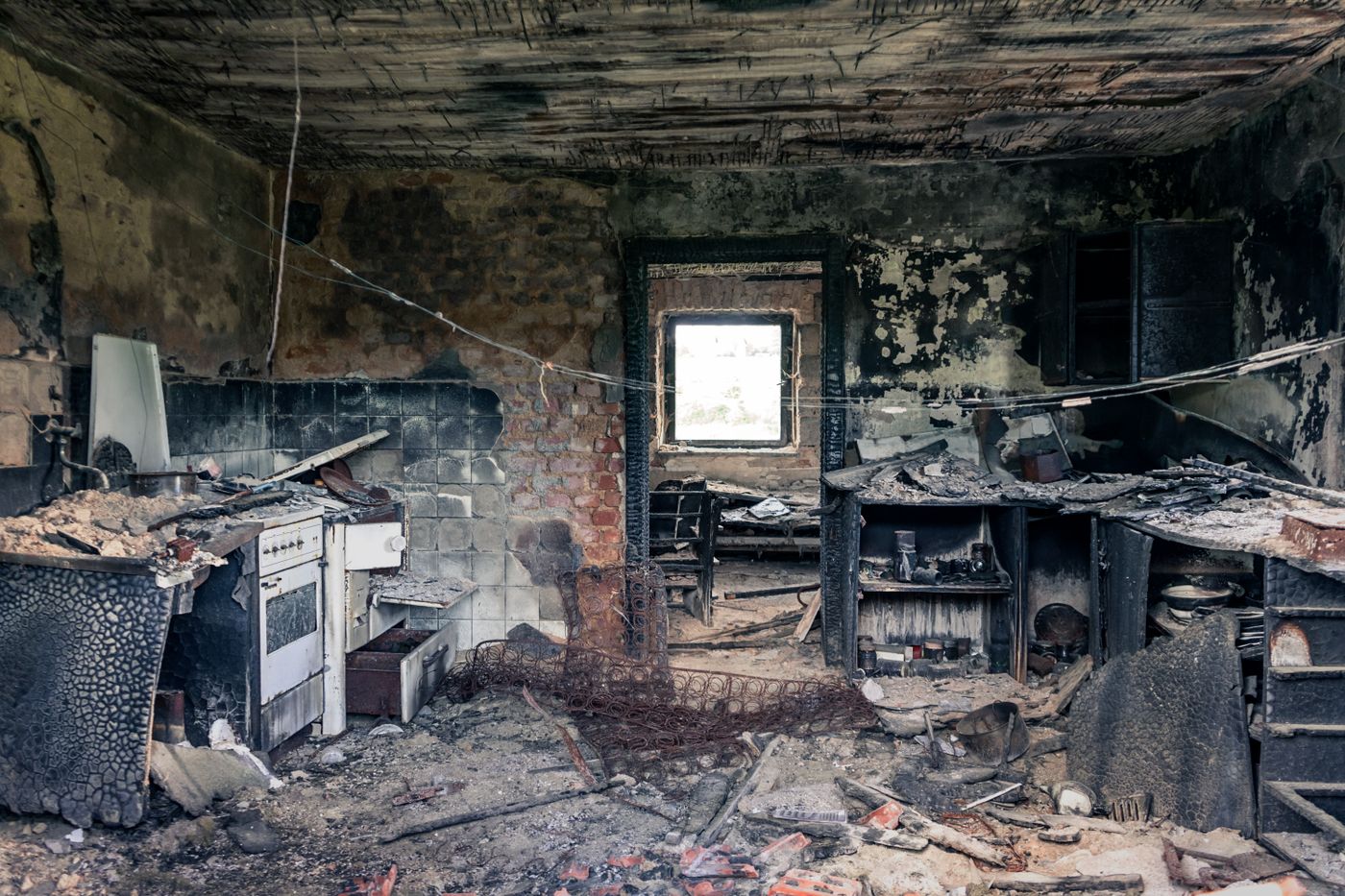
The water used to stop a fire can do as much damage as the flames. Get water damage restoration in Southlake from an experienced local crew that extracts, dries, and protects your home before mold sets in.
- Southlake & nearby
- Fire & smoke damage
- Assess, price, restore
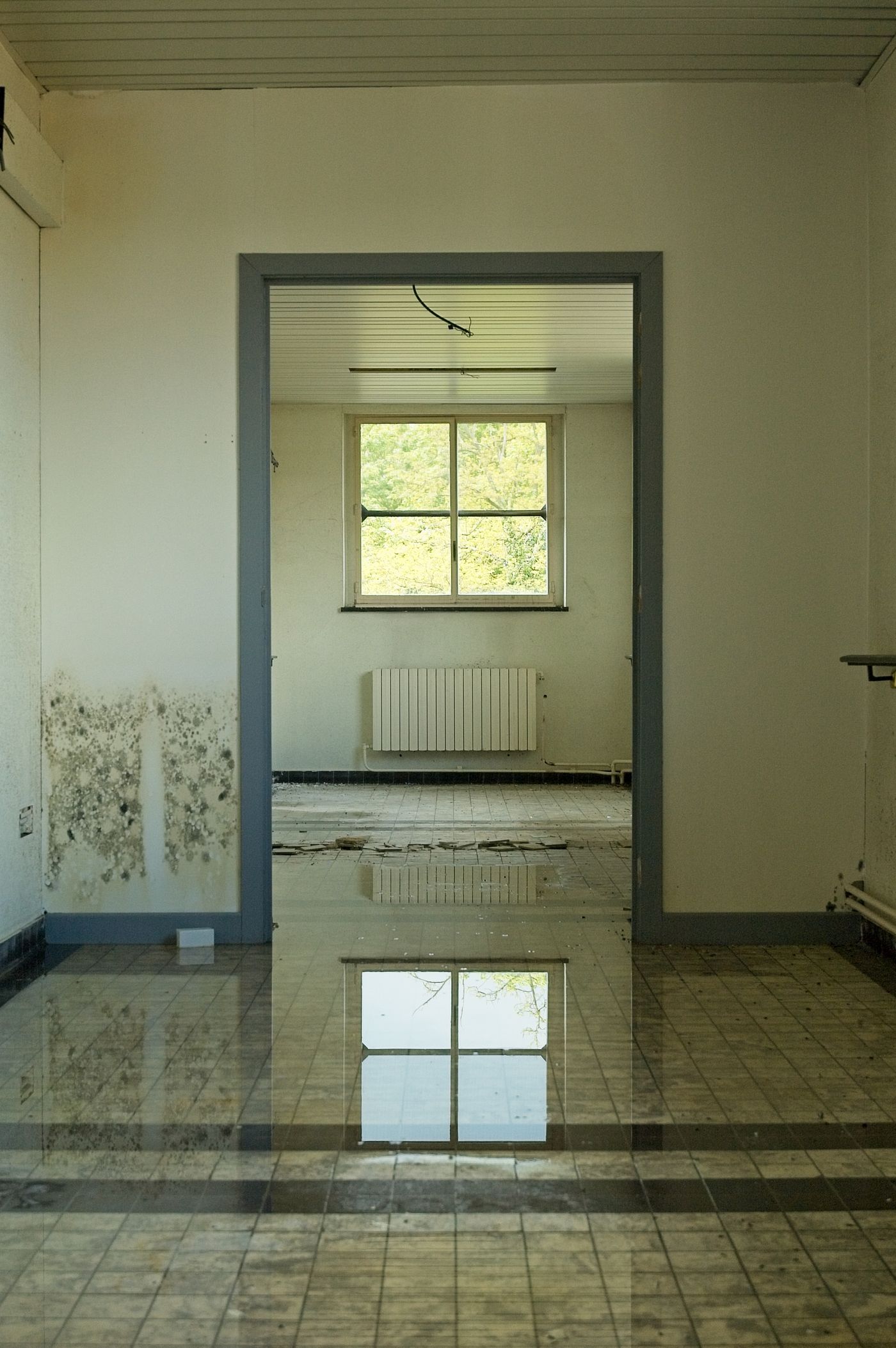
Water damage restoration is the quiet second half of almost every fire. Putting out a house fire takes hundreds of gallons, and that water soaks into flooring, drywall, insulation, and subfloor long after the flames are out. In a Southlake home, that water runs downhill through the structure, pooling on lower floors and hiding inside wall cavities where it feeds mold if it is not pulled out fast.
Speed is everything here. Mold can take hold within a day or two in North Texas humidity, so the window to dry a structure properly is short. Call and describe the situation, and a local crew can extract standing water, set up drying equipment, and start protecting the home right away. This work also stands on its own for burst pipes, storm intrusion, and leaks, not just fire.
Extraction and structural drying
The first job is getting the standing water out, then drying what the water soaked into. Extraction handles the pooled water you can see, but the harder part is the moisture inside the structure: the drywall, the subfloor, the framing, and the insulation. Commercial air movers and dehumidifiers pull that hidden moisture out over a period of days, with readings taken along the way to confirm the structure is actually drying and not just feeling dry to the touch.
Rushing this or skipping the measurement step is how homes end up with mold behind fresh walls months later. Proper structural drying is patient work, and it is the difference between a home that is genuinely dry and one that only looks dry on the surface.
- Water extraction. Standing and pooled water is removed from floors and low points first.
- Air movers. Commercial units push air across wet surfaces to speed evaporation.
- Dehumidification. Moisture pulled into the air is captured before it resettles into materials.
- Moisture readings. Meters confirm framing, drywall, and subfloor reach genuinely dry targets.
- Mold prevention. Fast, complete drying denies mold the moisture it needs to start.
Finding hidden moisture before it spreads
The water you can see is rarely the whole story. It wicks up inside drywall, travels under hardwood, and settles into wall cavities and under cabinets where nothing looks wet from the outside. Moisture meters and moisture mapping locate these hidden pockets so they can be dried instead of quietly feeding mold behind the scenes.
Southlake's larger homes make this harder, since water on an upper floor migrates down through the structure into ceilings and walls below. Checking the whole path the water took, not just the room where it started, is what keeps a water loss from turning into a mold problem later.
Water, fire, and your insurance claim
When water damage is part of a fire, the two are documented together but tracked as related parts of one loss. Clean records of what was wet, how it was dried, and what had to be removed keep your insurance claim clear and keep the water portion from becoming a dispute later. A local crew that handles both fire and water can document the whole picture in one place.
Because thorough drying is the foundation for everything that follows, it usually happens before soot cleanup and reconstruction. Get the structure dry first, then the fire damage restoration and rebuilding can proceed on solid, dry framing.
How long does drying take, and does insurance cover it?
Structural drying typically runs three to five days, though a heavily saturated home or dense materials like hardwood and plaster can take longer. The equipment stays in place and readings are checked daily until the structure hits genuinely dry targets, rather than pulling gear early and hoping. You get a realistic timeline once the home is assessed.
Sudden, accidental water damage, including firefighting water, is covered under most homeowners policies, though your specific coverage governs the details. A local crew documents the extraction and drying in the detail your insurance claim needs, and you get upfront pricing on the scope. Confirm the specifics with your own carrier, and call 000-000-0000 to get drying started.
Why fast drying protects your Southlake home
Every hour of standing water raises the odds of mold and deeper structural damage, so this is one service where speed genuinely pays off. An experienced local crew that gets to your Southlake property quickly can stop the water from spreading and start pulling moisture out of the structure before it becomes a much larger, more expensive problem.
Local restoration technicians know how water moves through these multi-story homes and cover the surrounding towns too, from Keller to Grapevine. You get thorough drying, no-surprise pricing, and clear documentation. Call 000-000-0000.
Talk to a Local Restoration Crew
Describe the fire and the damage and get straight answers with upfront pricing. No obligation, and no pressure to do more than the property needs.
Call 000-000-0000More Southlake Restoration Services
Water Damage Restoration FAQ
How fast do I need to start drying?
As fast as possible. Mold can begin to grow within one to two days in North Texas humidity, and standing water keeps soaking into the structure the whole time. Getting extraction and drying started quickly is the single biggest factor in preventing mold and limiting damage. Call 000-000-0000.
How do you know when the home is actually dry?
Moisture meters take readings in the framing, drywall, and subfloor and are checked against dry targets over several days. The drying equipment stays until those targets are met, rather than being pulled early. That measured approach is what prevents hidden moisture from feeding mold behind finished walls.
Does water damage from firefighting count as fire or water damage?
It is documented as part of the overall fire loss but tracked as related water damage. Keeping clear records of what was wet and how it was dried keeps your insurance claim clean. A local crew that handles both fire and water can document the whole loss together.
Can you dry the home without tearing out the walls?
Often, yes, if drying starts quickly and the moisture has not caused structural failure. Air movers and dehumidifiers can dry many wall cavities in place. Materials that are saturated beyond saving or already showing mold may need removal, which is assessed case by case.
Get Water Extracted and Dried in Southlake
Help available 7 days a week · Southlake, TX · upfront pricing, no obligation