Smoke & Soot Removal in Southlake, TX
Smoke travels farther than the fire ever did. Get thorough smoke and soot removal in Southlake from an experienced local crew that cleans the whole house, not just the burned room.
- Southlake & nearby
- Fire & smoke damage
- Assess, price, restore
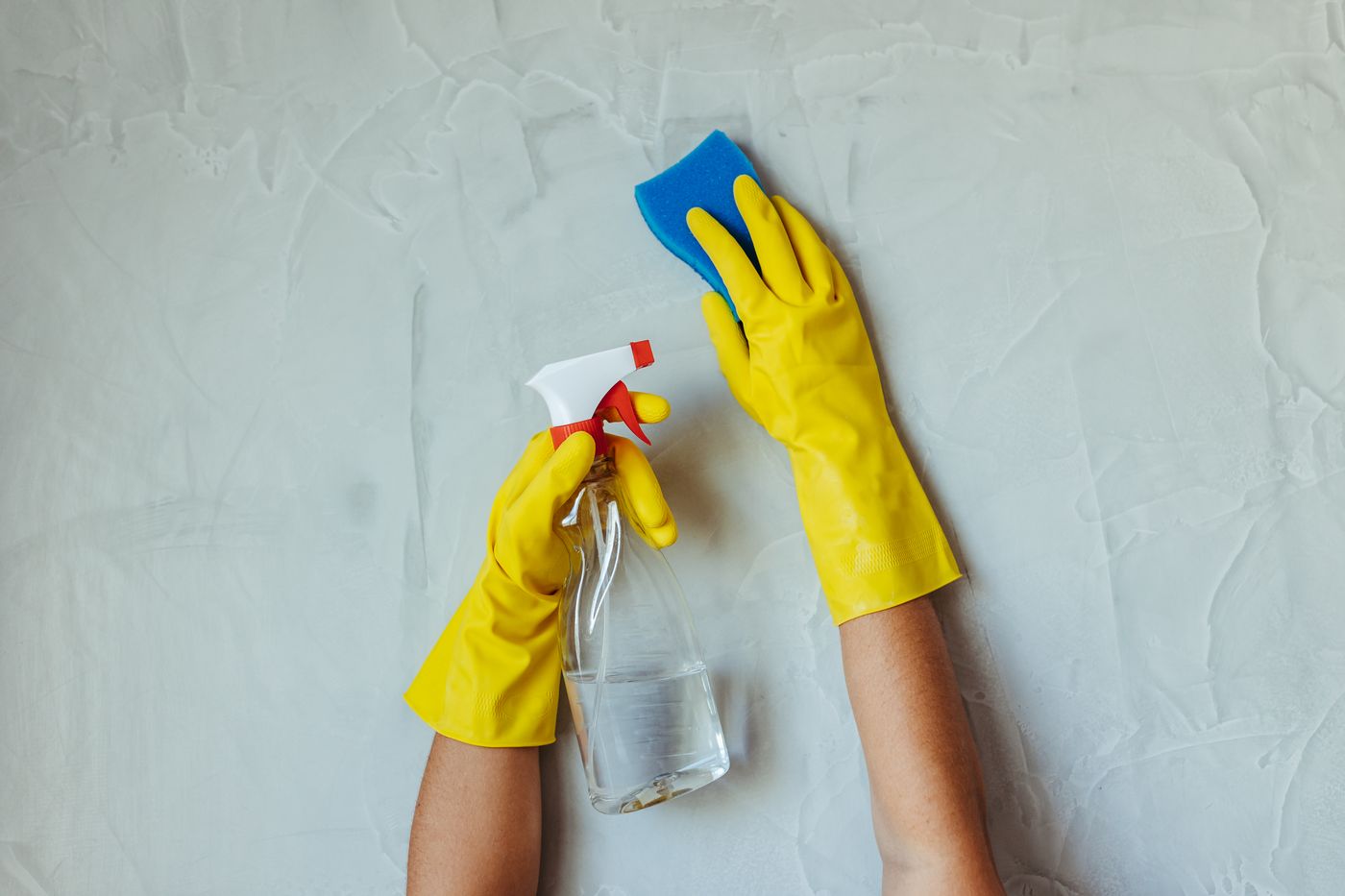
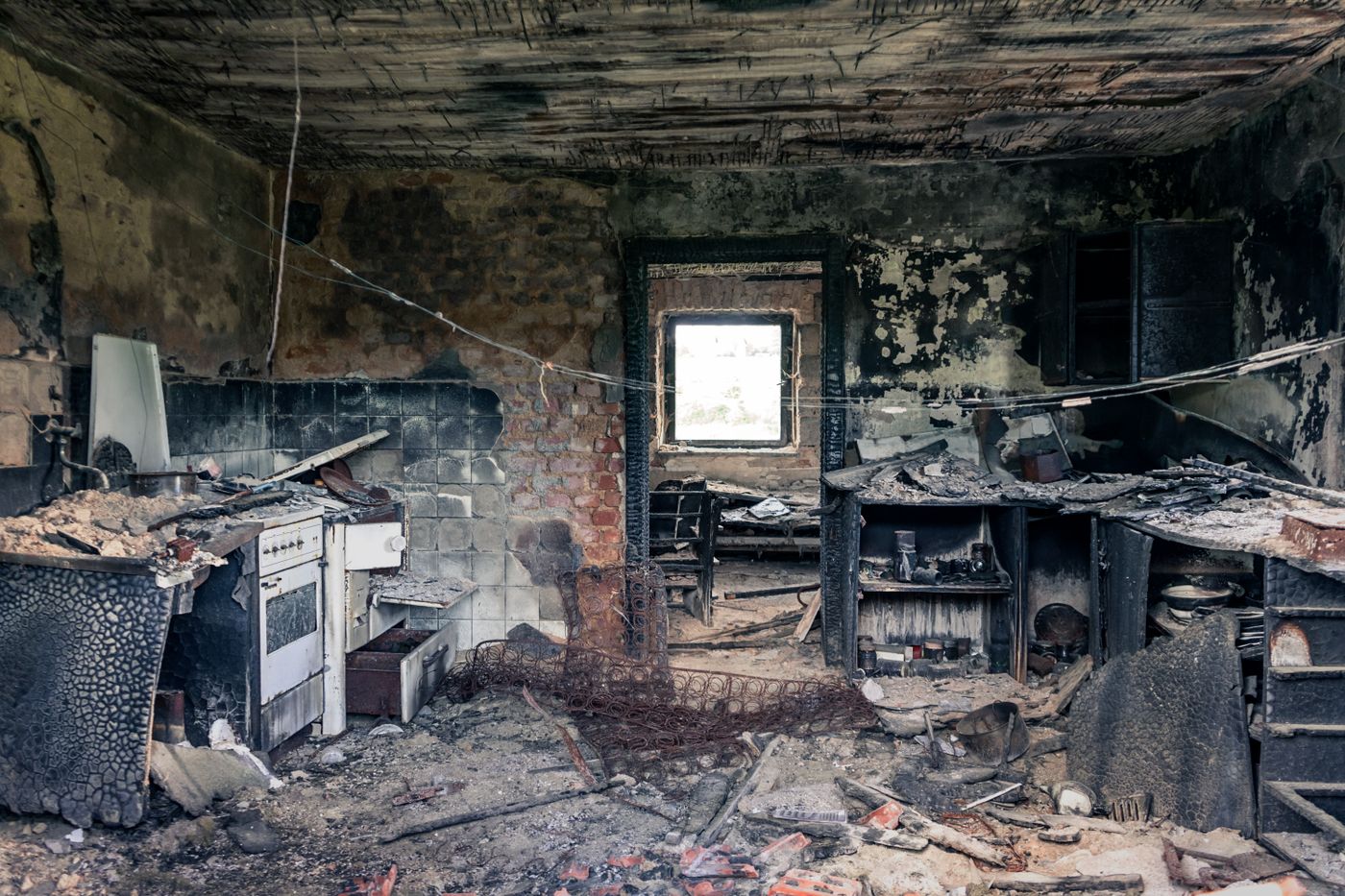
Smoke and soot removal is often the part of a fire that surprises Southlake homeowners the most. The flames may have been confined to one room, but the smoke rode the air and the HVAC system into closets, up stairwells, and across ceilings on the far side of the house. Soot cleanup done right chases the residue wherever it landed, because leaving it behind means lingering stains and a smell that comes back every time the room warms up.
In Southlake's large custom homes, that spread is amplified. A single kitchen fire can push soot through a multi-story air handling system and drop it in bedrooms two floors up. Call and describe what happened, and a local crew can test the whole house to find where the smoke actually went before cleaning starts.
Why soot is harder to clean than it looks
Soot is not simple dirt. It is an acidic, oily film that bonds to whatever it lands on, and different fires produce very different soot. A grease or kitchen fire leaves a smeary, protein-based residue, while burning paper and wood leaves a dry, powdery soot, and burning plastics leaves a sticky black film. Each one needs its own cleaning method, and using the wrong approach smears the stain in permanently.
This is why wiping soot yourself so often backfires. A damp cloth on dry soot turns a cleanable wall into a streaked mess, and household cleaners can react with the residue and set it for good. Getting an honest assessment first, then matching the method to the soot, is what actually saves surfaces.
- Dry soot. Powdery residue from paper and wood is lifted with dry sponges before any moisture touches it.
- Protein residue. Greasy kitchen-fire soot needs degreasing agents that break the oily film.
- Wet or oily soot. Sticky residue from plastics and synthetics calls for specialized solvents.
- Fabrics and soft goods. Upholstery and drapes are often better handled through contents cleaning and pack-out.
- Test first. A small area is tested so the right method is confirmed before the whole surface is cleaned.
Cleaning the HVAC and hidden spaces
The HVAC system is the single biggest reason smoke smell lingers in a Southlake home. When the air handler ran during or after the fire, it pulled soot into the ductwork and coated the interior of the system. Clean every visible wall and still run that system, and it reintroduces soot and odor into rooms you just finished. Addressing the HVAC is not optional in a real soot cleanup.
Soot also hides in the places people forget: the tops of door frames, inside cabinets and drawers, behind wall outlets, and above ceiling fixtures. A thorough smoke and soot removal covers these hidden spaces, because odor and staining left in them undermine everything else.
Smoke smell and why it comes back
When smoke smell returns after a cleaning, it almost always means a source of soot was missed. Odor is not a ghost floating in the air; it comes from residue sitting on a surface, in the ducts, or soaked into a soft material. Remove the residue and the smell has nothing to feed it. That is why thorough soot cleanup and full smoke odor removal go hand in hand.
Southlake's humidity plays a role too. On damp days, residual soot and odor reactivate and become more noticeable, which is exactly why homeowners think a smell was gone and then it comes back. Cleaning to the source, including the HVAC, is what breaks that cycle for good.
How long does smoke and soot removal take?
For a contained fire with smoke through part of the home, cleaning and deodorizing often lands in the one-to-two-week range once the property is assessed. Wider smoke spread through a large multi-story house takes longer, since every affected surface, closet, and duct run has to be addressed rather than just the obvious rooms.
You get upfront pricing tied to the square footage affected and how far the smoke traveled, not a guess. Because smoke and soot are usually part of a larger fire loss, the cleanup is documented in the detail your insurance claim needs. Call 000-000-0000 to get an honest scope for your home.
Why thorough soot cleanup matters
Half-done soot cleanup is worse than obvious, because it hides. The walls look fine, the room seems clean, and then the smell returns on a humid afternoon or a stain bleeds back through fresh paint. An experienced local fire and smoke restoration pro cleans to the source the first time so you are not paying twice to fix the same room.
Local restoration technicians know how smoke behaves in Southlake's big homes and complex HVAC systems, and they cover the surrounding towns too, from Grapevine to Colleyville. You get no-surprise pricing and cleanup that actually holds. Call 000-000-0000.
Talk to a Local Restoration Crew
Describe the fire and the damage and get straight answers with upfront pricing. No obligation, and no pressure to do more than the property needs.
Call 000-000-0000More Southlake Restoration Services

Smoke & Soot Removal FAQ
Can I just wipe the soot off myself?
It is risky. Soot is oily and acidic, and the wrong cloth or cleaner can smear it deeper and set the stain permanently, turning a cleanable wall into one that must be replaced. Different fires leave different soot that each need a different method. Getting it assessed first protects your surfaces.
Why does the smoke smell keep coming back?
Because a source of soot residue was left behind, usually in the HVAC ducts, in soft materials, or in hidden spaces. Odor comes from residue on surfaces, so if the smell returns, something still has soot on it. Cleaning to the source, including the air system, is what makes it stop. Call 000-000-0000.
Does the HVAC system really need cleaning?
In most fires, yes. If the system ran, it pulled soot into the ductwork and coated the interior. Running it again after cleaning the rooms will blow that soot and odor right back out. Addressing the HVAC is a core part of thorough smoke and soot removal.
Will soot damage my belongings permanently?
It can if it sits too long, but many items are saveable if they are treated promptly. Soft goods, electronics, and valuables are often cleaned through pack-out at an off-site facility. The sooner soot is addressed, the more of your belongings come through it.
Clear the Smoke and Soot in Southlake
Help available 7 days a week · Southlake, TX · upfront pricing, no obligation